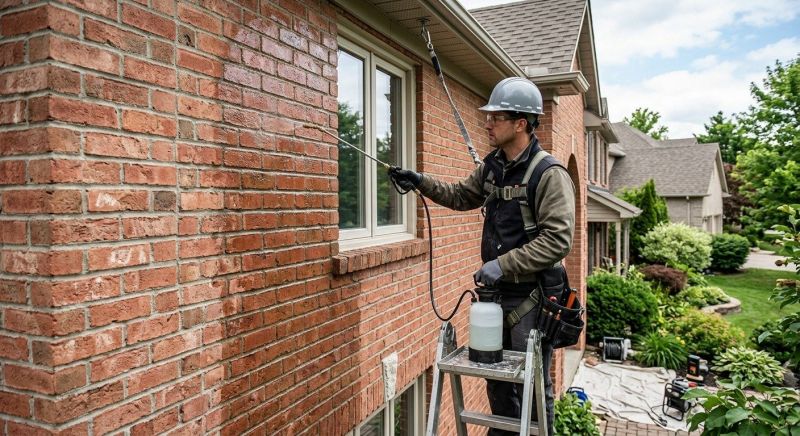
Masonry Waterproofing in Seattle, WA
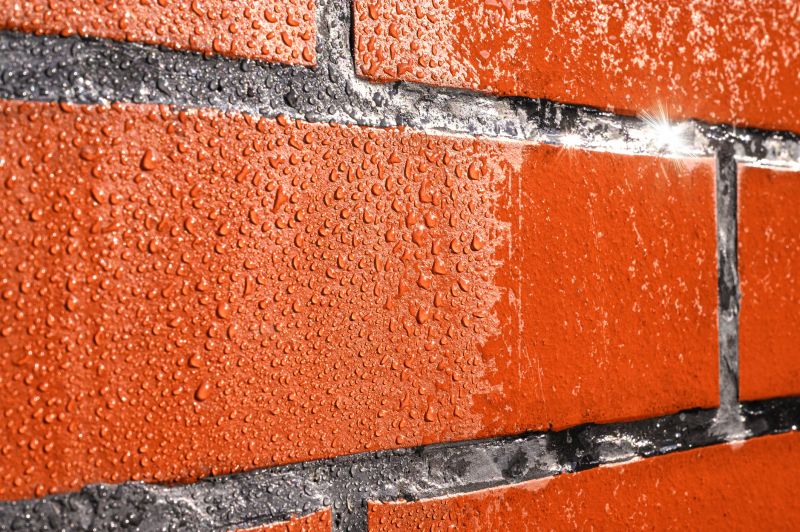
Masonry waterproofing services focus on protecting stone, brick, and concrete structures from water intrusion and damage. This service is commonly applied to foundations, retaining walls, chimneys, and decorative masonry surfaces to prevent issues such as cracking, spalling, and mold growth caused by water seepage. Property owners typically seek this service when noticing signs of moisture infiltration, efflorescence, or deterioration in their masonry, or when planning renovations to ensure long-lasting durability.
Before requesting masonry waterproofing, homeowners often want to understand the types of waterproofing methods available, such as sealants, membranes, or coatings, and which approach is best suited for their specific project. It’s also helpful to consider the condition of the existing masonry, the local climate, and any previous water issues. Proper assessment and preparation are key to achieving effective protection and maintaining the structural integrity of masonry features over time.
Many property owners in Seattle, WA look into Masonry Waterproofing for repairs, replacements, upgrades, and appearance-related improvements.
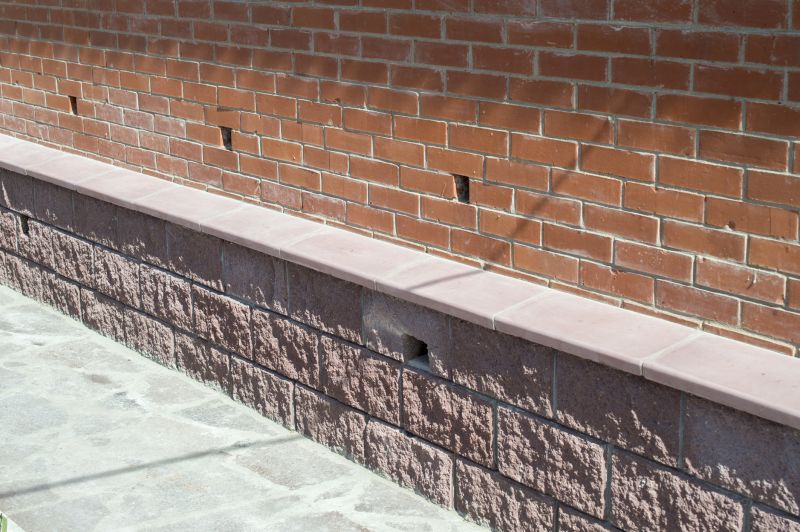
Masonry Waterproofing Solutions
Protects masonry structures from water intrusion and damage.
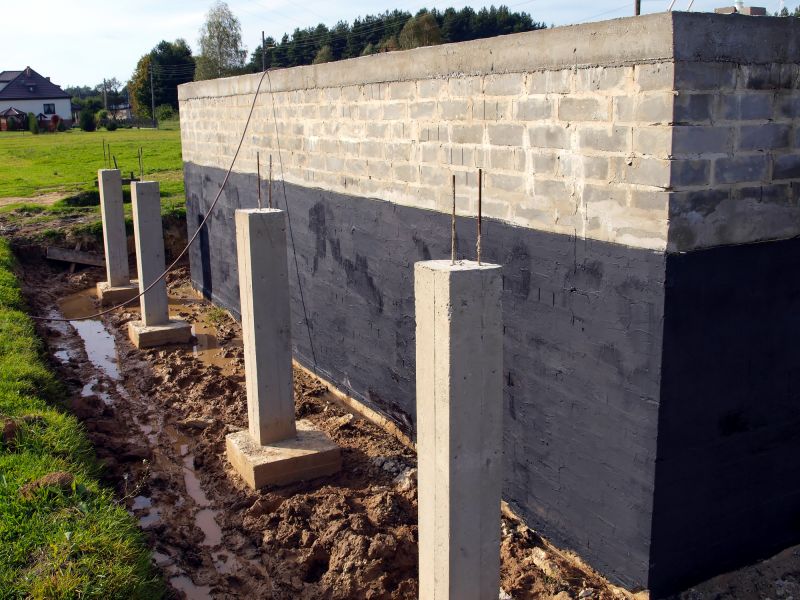
Foundation And Basement Protection
Prevents water seepage in basements and foundation walls to maintain structural integrity.
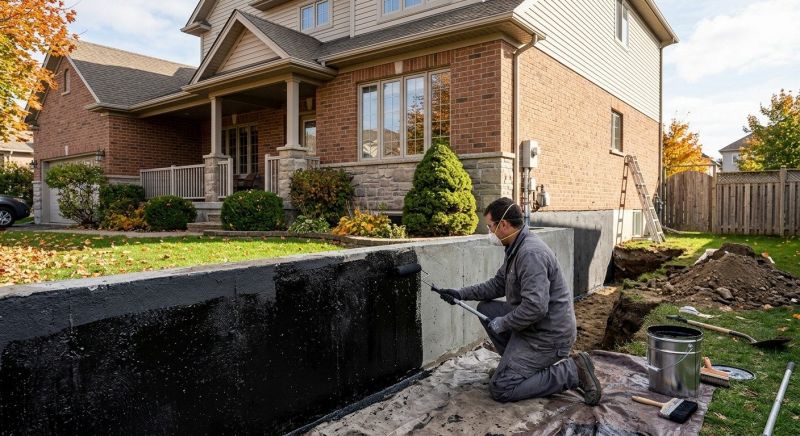
Retaining Wall Waterproofing
Ensures retaining walls withstand moisture exposure and prevent erosion around properties in seattle.
Masonry Waterproofing in Seattle, WA

Masonry waterproofing services focus on protecting stone, brick, and concrete structures from water intrusion and damage. This service is commonly applied to foundations, retaining walls, chimneys, and decorative masonry surfaces to prevent issues such as cracking, spalling, and mold growth caused by water seepage. Property owners typically seek this service when noticing signs of moisture infiltration, efflorescence, or deterioration in their masonry, or when planning renovations to ensure long-lasting durability.
Before requesting masonry waterproofing, homeowners often want to understand the types of waterproofing methods available, such as sealants, membranes, or coatings, and which approach is best suited for their specific project. It’s also helpful to consider the condition of the existing masonry, the local climate, and any previous water issues. Proper assessment and preparation are key to achieving effective protection and maintaining the structural integrity of masonry features over time.
Many property owners in Seattle, WA look into Masonry Waterproofing for repairs, replacements, upgrades, and appearance-related improvements.
Common Masonry Waterproofing Jobs
Foundation Wall Waterproofing - helps prevent water intrusion and damage to basement walls.
Cavity Drain Systems - provides effective moisture control in underground structures.
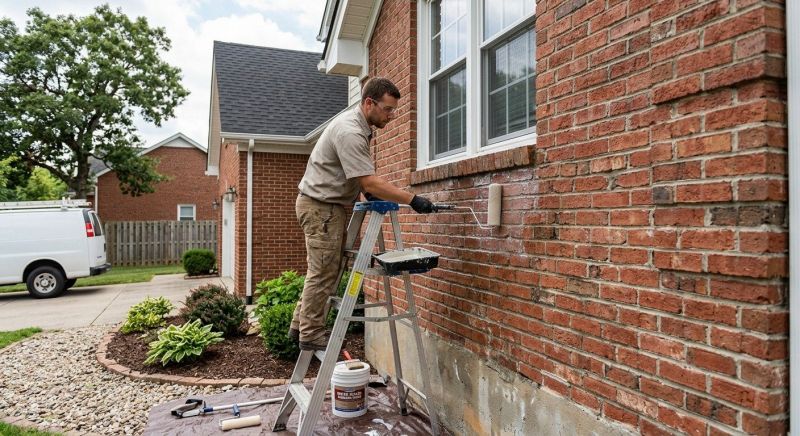
Sealant and Membrane Applications - creates a barrier to keep water out of masonry surfaces.
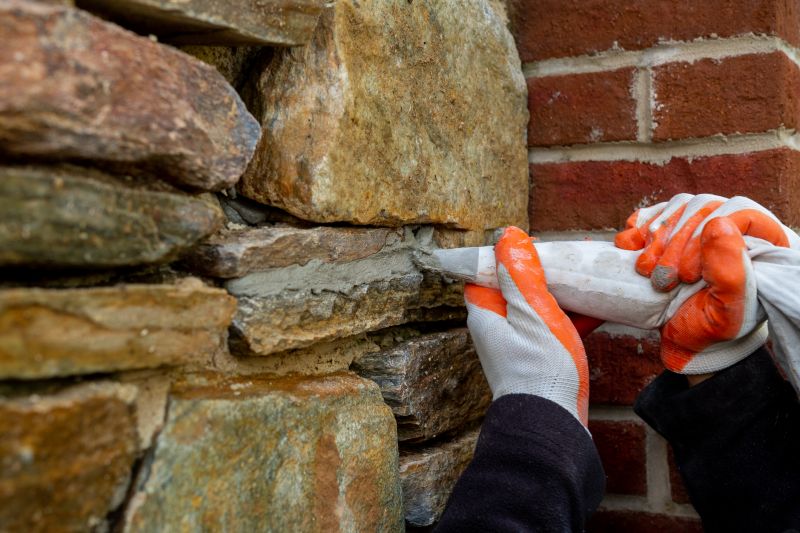
Crack and Joint Waterproofing - addresses vulnerabilities that can allow water seepage.
Drainage System Installation - directs water away from masonry foundations to reduce moisture buildup.
Waterproofing Repairs - restores existing masonry barriers to maintain dry and protected spaces.
Masonry Waterproofing Questions
What is masonry waterproofing? Masonry waterproofing involves applying sealants or coatings to prevent water from penetrating brick, stone, or concrete surfaces.
Which structures benefit from masonry waterproofing? Foundations, retaining walls, basements, and exterior brick walls are common projects that benefit from waterproofing.
How does waterproofing protect a property? It helps prevent water damage, mold growth, and structural deterioration caused by moisture infiltration.
What types of waterproofing methods are used? Common methods include surface sealants, membranes, and waterproof coatings tailored to specific masonry surfaces.
Request Masonry Waterproofing in Seattle, WA
Use the quote form on this page to share the basics of your project and request more information for the type of work you need.